
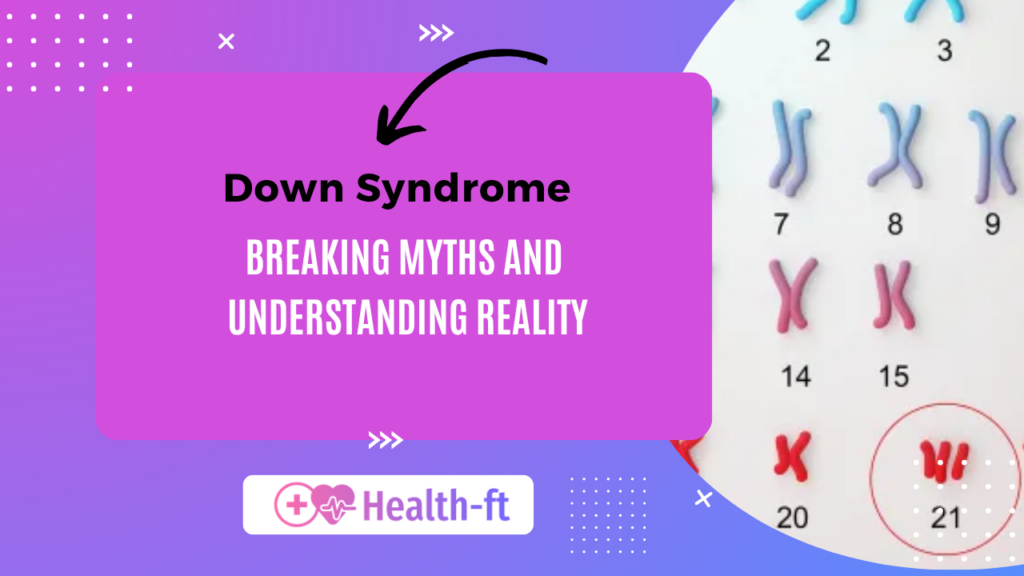
Down Syndrome is a genetic condition that occurs when a person has an extra copy of chromosome 21. This extra genetic material affects physical and cognitive development, leading to developmental delays and distinct physical characteristics.
Down Syndrome is one of the most common chromosomal disorders worldwide. The CDC estimates it affects approximately 1 in 700 babies born in the United States each year. It is not a disease, but a lifelong genetic condition that varies in severity from person to person.
With proper medical care, education, and support, individuals with Down Syndrome can live healthy, fulfilling lives.
What is Down Syndrome?
Down Syndrome, also known as Trisomy 21, is a genetic disorder caused by abnormal cell division that results in an extra full or partial copy of chromosome 21.
Normally, humans have 46 chromosomes. People with Down Syndrome have 47 chromosomes, which affects brain development and body growth.
This condition is present from birth and cannot be prevented, but early intervention can significantly improve development outcomes.
Causes of Down Syndrome
Down Syndrome is caused by abnormal cell division during the formation of reproductive cells or early fetal development.
1. Trisomy 21 (Most Common Type)
About 95% of cases occur due to an extra full copy of chromosome 21 in all cells.
2. Translocation Down Syndrome
Part of chromosome 21 attaches to another chromosome. This may be inherited from a parent.
3. Mosaic Down Syndrome
Only some cells have an extra chromosome 21, while others are normal. Symptoms may be milder.
Risk Factors of Down Syndrome
Although Down Syndrome can occur randomly, certain factors increase the risk:
1. Maternal Age
Women aged 35 and above have a higher chance of having a baby with Down Syndrome.
2. Genetic History
Parents who carry chromosomal translocations may have a higher risk.
3. Previous Child with Down Syndrome
Having one child with Down Syndrome slightly increases the chance in future pregnancies.
Symptoms of Down Syndrome
Symptoms vary but commonly include physical, developmental, and intellectual characteristics.
1. Physical Features
- Flat facial profile
- Small nose
- Almond-shaped eyes
- Short neck
- Small hands and feet
- Low muscle tone
2. Cognitive and Developmental Delays
- Delayed speech and language
- Learning difficulties
- Mild to moderate intellectual disability
3. Health Issues
- Heart defects (common in many cases)
- Hearing and vision problems
- Thyroid disorders
- Respiratory infections
Types of Down Syndrome
1. Trisomy 21
The most common type where every cell has an extra chromosome.
2. Mosaic Down Syndrome
Some cells are normal, others have the extra chromosome.
3. Translocation Down Syndrome
Extra chromosome 21 material attaches to another chromosome.
Diagnosis of Down Syndrome
Down Syndrome can be diagnosed before or after birth.
Prenatal Tests
- Ultrasound screening
- Blood tests
- NIPT (Non-invasive prenatal testing)
- Amniocentesis
Postnatal Diagnosis
After birth, doctors can identify Down Syndrome through:
- Physical examination
- Chromosome analysis (karyotype test)
Complications of Down Syndrome
Individuals with Down Syndrome may face certain medical complications:
1. Congenital Heart Defects
A significant percentage are born with heart conditions.
2. Immune System Problems
Increased risk of infections.
3. Hearing and Vision Issues
Common in childhood and adulthood.
4. Thyroid Disorders
Hypothyroidism is more common. This can also lead to vitamin and nutrient deficiencies.
5. Sleep Apnea
Breathing issues during sleep are common, and our guide on sleep apnea and its genetic roots covers this in more depth.
Treatment and Management of Down Syndrome
There is no cure for Down Syndrome, but supportive care greatly improves quality of life.
1. Early Intervention Programs
- Speech therapy
- Physical therapy
- Occupational therapy
2. Medical Care
Regular checkups to manage heart, thyroid, and vision problems.
3. Educational Support
Special education programs help children learn at their own pace.
4. Family Support
Emotional and social support for families is very important, and the National Institute of Child Health and Human Development offers detailed guidance on available treatment and support options.
Life Expectancy in Down Syndrome
Down syndrome life expectancy has increased significantly with modern healthcare. Many people now live into their 50s and 60s or longer, depending on health conditions and care quality.
Living with Down Syndrome
People with Down Syndrome can:
- Attend school
- Learn job skills
- Work in supported environments
- Build relationships
- Live semi-independent or independent lives
Social inclusion plays a major role in improving their quality of life.
Myths and Facts About Down Syndrome
Myth 1: Down Syndrome is rare
Fact: It is one of the most common genetic conditions worldwide.
Myth 2: People with Down Syndrome cannot learn
Fact: They can learn, just at a different pace.
Myth 3: It is a disease
Fact: It is a genetic condition, not a disease.
Emotional and Social Impact
Families of individuals with Down Syndrome often experience emotional challenges, but also develop strong resilience and awareness.
Inclusion, awareness, and acceptance in society are crucial for reducing stigma.
Prevention of Down Syndrome
Down Syndrome cannot be fully prevented, but Genetic counseling can help assess risk before pregnancy, especially for older mothers or families with a history of chromosomal disorders.
Conclusion
Down Syndrome is a genetic condition that affects development but does not define a person’s potential. With early intervention, proper healthcare, education, and social support, individuals with Down Syndrome can lead meaningful and happy lives.
Understanding and acceptance are key to building an inclusive society where everyone gets equal opportunities.
Frequently Asked Questions
It is caused by an extra copy of chromosome 21.
No, it is a lifelong genetic condition.
Yes, with support they can live fulfilling and productive lives.
Most cases are not inherited, except some translocation cases.
Developmental delay and characteristic physical features.


Pingback: Celiac Disease Symptoms: Causes, Diagnosis & Treatment