Hormonal imbalance is a common health concern affecting millions of women worldwide. Issues such as irregular periods, PMS, acne, fatigue, mood swings, and fertility challenges are often linked to hormonal fluctuations. While medications and hormonal therapies are commonly prescribed, many people today are looking for natural ways to support hormonal health.
One increasingly popular natural approach is seed cycling for hormone balance. Seed cycling is a simple nutritional method that uses specific seeds during different phases of the menstrual cycle to help regulate hormones naturally.
In this comprehensive guide, we will explore everything you need to know about seed cycling — including how it works, the science behind it, benefits, how to start, and the best seeds to use.
What is Seed Cycling?
Seed cycling is a natural dietary practice that involves eating specific seeds during different phases of the menstrual cycle to support hormone production and balance.
The concept is based on the idea that certain seeds contain nutrients that support either estrogen or progesterone production. By consuming these seeds in alignment with your menstrual cycle phases, you may help regulate hormone levels naturally.
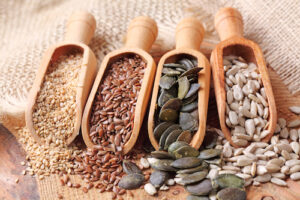
Seed cycling typically involves four main seeds:
• Flax seeds
• Pumpkin seeds
• Sesame seeds
• Sunflower seeds
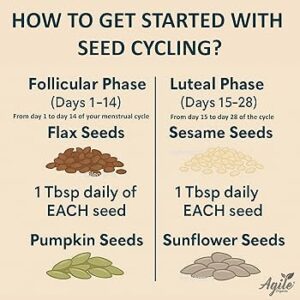
These seeds are consumed in two phases:
Phase 1 – Follicular Phase:
Flax seeds + Pumpkin seeds
Phase 2 – Luteal Phase:
Sesame seeds + Sunflower seeds
Each pair of seeds is believed to support different hormones during specific cycle phases.
Understanding the Menstrual Cycle
Before starting seed cycling, it is important to understand the menstrual cycle. The average menstrual cycle lasts 28 days, although it can range between 21–35 days.
The cycle has four phases:
-
Menstrual Phase
-
Follicular Phase
-
Ovulation
-
Luteal Phase
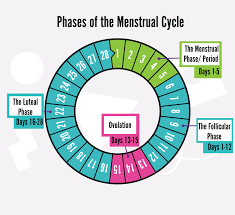
For seed cycling, the two most important phases are the follicular phase and the luteal phase.
Follicular Phase (Day 1–14)
This phase begins on the first day of menstruation and continues until ovulation.
During this time:
• Estrogen gradually rises
• The body prepares to release an egg
• Energy levels increase
Seeds used in this phase are believed to support estrogen balance.
These include:
Flax seeds
Pumpkin seeds
Luteal Phase (Day 15–28)
The luteal phase starts after ovulation and continues until the next period begins.
During this phase:
• Progesterone rises
• The body prepares for possible pregnancy
• PMS symptoms may occur
Seeds consumed in this phase help support progesterone production.
These include:
Sesame seeds
Sunflower seeds
How Seed Cycling Works
The theory behind seed cycling is that seeds contain nutrients that influence hormone production and metabolism.
For example:
• Flax seeds contain lignans that support estrogen balance.
• Pumpkin seeds are rich in zinc, which supports progesterone production.
• Sesame seeds also contain lignans that help regulate estrogen levels.
• Sunflower seeds are rich in vitamin E and selenium, which support progesterone.
By rotating these seeds according to your cycle, the body may receive nutrients that support natural hormonal rhythms.Nutritional Benefits of the Seeds Used in Seed Cycling
Let’s take a closer look at the powerful nutrients found in these seeds.
Flax Seeds
Flax seeds are one of the most nutrient-dense seeds available.
Key nutrients include:
• Omega-3 fatty acids
• Lignans
• Fiber
• Magnesium
Lignans found in flax seeds help regulate estrogen by either increasing or decreasing estrogen levels depending on the body’s needs.
Potential benefits:
• Improved hormone balance
• Reduced PMS symptoms
• Better digestive health
• Improved skin health
Pumpkin Seeds
Pumpkin seeds are rich in essential minerals that support reproductive health.
Key nutrients include:
• Zinc
• Magnesium
• Healthy fats
• Iron
Zinc plays a crucial role in progesterone production, which becomes important after ovulation.
Potential benefits:
• Improved immune function
• Hormonal support
• Better sleep
• Reduced inflammation
Sesame Seeds
Sesame seeds contain lignans that help regulate estrogen during the luteal phase.
Key nutrients include:
• Calcium
• Zinc
• Lignans
• Fiber
These seeds may help prevent estrogen dominance, a common hormonal imbalance.
Potential benefits:
• Hormone regulation
• Bone health
• Improved digestion
• Antioxidant support
Sunflower Seeds
Sunflower seeds are packed with nutrients that support progesterone production.
Key nutrients include:
• Vitamin E
• Selenium
• Healthy fats
• Magnesium
Vitamin E supports hormone production and reduces inflammation.
Potential benefits:
• Skin health
• Hormone support
• Reduced PMS symptoms
• Better immune function
https://health-ft.com/hormonal-imbalance/
Benefits of Seed Cycling for Hormone Balance
Seed cycling may provide a wide range of benefits for women dealing with hormonal imbalances.
1. Supports Hormonal Balance
Seed cycling provides nutrients needed for estrogen and progesterone regulation.
Balanced hormones can improve:
• Mood
• Energy levels
• Metabolism
2. May Reduce PMS Symptoms
Many women report reduced PMS symptoms such as:
• Mood swings
• Breast tenderness
• Bloating
• Irritability
This may occur because of improved progesterone support.
3. Helps Regulate Menstrual Cycles
Seed cycling may help women with irregular periods by supporting hormonal rhythm.
Although results vary, some women experience more regular cycles within a few months.
4. May Improve Skin Health
Hormonal acne is often caused by hormone imbalance.
Seeds rich in omega-3 fatty acids and antioxidants may help reduce inflammation and improve skin clarity.
5. Supports Fertility
Balanced hormones are essential for ovulation and fertility.
Nutrients like zinc, selenium, and vitamin E support reproductive health.
6. Supports Perimenopause and Menopause
Women in perimenopause often experience fluctuating hormone levels.
Seed cycling may help ease symptoms such as:
• Hot flashes
• Mood swings
• Fatigue
Read more:https://www.restoreendo.com/endo-blog/understanding-your-cycle-seed-cycling
How to Start Seed Cycling
Starting seed cycling is simple and requires only a few steps.
Step 1: Track Your Cycle
Determine where you are in your menstrual cycle.
Day 1 = first day of menstruation.
Step 2: Eat the Right Seeds in Each Phase
Follicular Phase (Day 1–14)
1 tablespoon flax seeds
1 tablespoon pumpkin seeds
Luteal Phase (Day 15–28)
1 tablespoon sesame seeds
1 tablespoon sunflower seedsStep 3: Use Ground Seeds
Grinding seeds helps the body absorb nutrients better.
You can grind seeds using:
• Coffee grinder
• Blender
• Mortar and pestle
Step 4: Add Seeds to Foods
Seeds can be added to many meals such as:
• Smoothies
• Yogurt
• Oatmeal
• Salads
• Smoothie bowls
• Energy balls
Seed Cycling for Irregular Cycles
If your cycle is irregular, you can still follow seed cycling by using the moon cycle method.
New Moon → Start follicular seeds
Full Moon → Start luteal seeds
This provides a structured rhythm even without a predictable menstrual cycle.
Scientific Evidence Behind Seed Cycling
Scientific research specifically on seed cycling is limited.
However, many studies confirm that the nutrients in seeds support hormone health.
For example:
• Flax seeds have been studied for estrogen metabolism.
• Zinc is known to support progesterone production.
• Vitamin E supports reproductive health.
While more clinical research is needed, many nutritionists and holistic practitioners recommend seed cycling as a safe nutritional approach.
Tips for Successful Seed Cycling
To get the best results from seed cycling, follow these tips:
-
Be consistent daily.
-
Use fresh seeds.
-
Grind seeds before eating.
-
Pair seed cycling with a balanced diet.
-
Track changes in symptoms.
Results usually appear after 2–3 menstrual cycles.
Possible Side Effects
Seed cycling is generally safe for most people.
However, some people may experience:
• Mild digestive discomfort
• Bloating when starting
• Allergic reactions (rare)
Start with smaller amounts if your body is not used to high-fiber foods.
Who Should Avoid Seed Cycling?
Seed cycling may not be suitable for everyone.
People who should consult a doctor include:
• Those with hormone-sensitive conditions
• Individuals on hormone therapy
• People with seed allergies
Seed Cycling Meal Ideas
Here are some easy ways to include seeds in your daily diet.
Follicular Phase Smoothie
Ingredients:
• Banana
• Almond milk
• 1 tbsp flax seeds
• 1 tbsp pumpkin seeds
• Spinach
• Honey
Blend and enjoy.
Luteal Phase Yogurt Bowl
Ingredients:
• Greek yogurt
• 1 tbsp sesame seeds
• 1 tbsp sunflower seeds
• Berries
• Granola
Mix and serve.
Seed Cycling Energy Balls
Ingredients:
• Dates
• Oats
• Seed mix
• Peanut butter
Blend and roll into small balls.
How Long Should You Try Seed Cycling?
Most experts recommend trying seed cycling for at least 3 months.
Hormonal changes take time, so patience and consistency are important.
Common Mistakes in Seed Cycling
Avoid these common mistakes:
• Using roasted seeds instead of raw seeds
• Forgetting daily consumption
• Not grinding seeds
• Expecting immediate results
Consistency is key to success.
FAQs
What is seed cycling?
Seed cycling is a natural dietary method where specific seeds are eaten during different phases of the menstrual cycle to support hormone balance.
How long does seed cycling take to work?
Most people notice improvements after 2–3 menstrual cycles, although results vary.
Can seed cycling regulate periods?
Seed cycling may help regulate periods by supporting estrogen and progesterone balance, but results depend on individual health factors.
Can I do seed cycling without a menstrual cycle?
Yes. People without regular cycles can follow the moon cycle method or switch seeds every two weeks.
Should seeds be ground or whole?
Seeds should be ground because grinding improves nutrient absorption.
Can men do seed cycling?
Seed cycling is primarily designed for women’s hormonal cycles, but men can still benefit nutritionally from eating these seeds.
Is seed cycling scientifically proven?
There is limited research specifically on seed cycling, but many nutrients in the seeds are known to support hormone health.
Final Thoughts
Seed cycling for hormone balance is a simple, natural approach that many women use to support reproductive health. By consuming specific seeds during different phases of the menstrual cycle, you may help provide the nutrients needed for healthy hormone production.
While scientific evidence is still developing, seed cycling is a low-risk nutritional practice that can easily be incorporated into daily meals.
When combined with a balanced diet, healthy lifestyle, and proper medical care, seed cycling may become a valuable tool for improving hormonal health and overall well-being.