
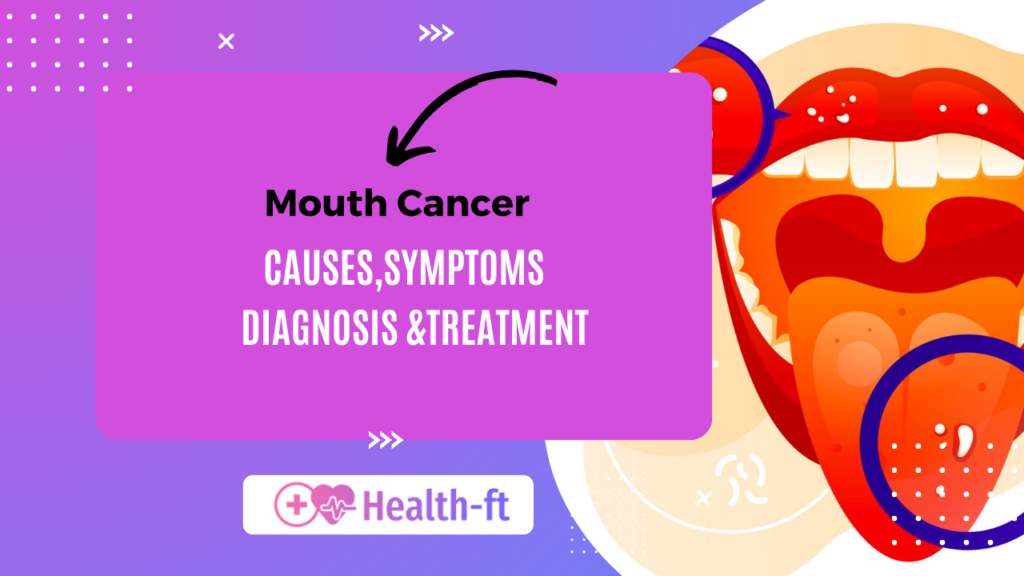
Mouth cancer is a serious and potentially life-threatening condition that affects thousands of people every year. It can develop in different parts of the mouth, including the lips, tongue, gums, inner cheeks, and roof or floor of the mouth.
Many people ignore early signs, thinking they are minor issues like ulcers or infections. However, early detection is critical because it greatly improves the chances of successful treatment.
Understanding mouth cancer symptoms and treatment can help you identify warning signs early and take the right steps for prevention and care.
What Is Mouth Cancer?
Mouth cancer, also known as oral cancer, is a type of cancer that occurs when cells in the mouth grow uncontrollably.
These abnormal cells can form tumors and may spread to other parts of the body if not treated in time.
Oral cancer is part of a broader category called head and neck cancers. It often develops slowly, which is why early symptoms are sometimes ignored.
Early Mouth Cancer Symptoms
Recognizing early symptoms can save lives. Here are some of the most common early warning signs:
1. Persistent Mouth Ulcers
A sore that does not heal within two to three weeks is one of the most important warning signs.
2. Red or White Patches
Unusual patches inside the mouth may indicate abnormal cell changes.
3. Pain or Burning Sensation
Continuous pain or irritation in the mouth should not be ignored.
4. Difficulty Swallowing
If swallowing becomes painful or uncomfortable, it may indicate a problem.
5. Lump or Thickening
Any unusual lump inside the mouth or neck requires medical attention.
6. Changes in Voice or Speech
Difficulty speaking clearly can be an early symptom.
According to the National Cancer Institute, early detection significantly improves treatment outcomes for oral cancers.
Advanced Symptoms of Mouth Cancer
If mouth cancer is not detected early, symptoms may become more severe:
- Severe and constant pain
- Bleeding in the mouth
- Loose teeth without dental reason
- Difficulty moving the jaw or tongue
- Persistent bad breath
- Ear pain without infection
- Unexplained weight loss
Causes of Mouth Cancer
1. Tobacco Use
Smoking cigarettes, cigars, or chewing tobacco is the leading cause of mouth cancer.
2. Alcohol Consumption
Heavy drinking increases the risk, especially when combined with smoking.
3. Human Papillomavirus (HPV)
Certain viral infections are linked to oral cancers.
4. Poor Oral Hygiene
Lack of dental care can increase risk over time.
5. Unhealthy Diet
Low intake of fruits and vegetables may weaken the body’s defenses.
6. Sun Exposure
Excessive exposure to sunlight can increase the risk of lip cancer.
Risk Factors
Some people are more likely to develop mouth cancer due to:
- Age above 40
- Male gender (higher risk)
- Family history of cancer
- Weak immune system
- Long-term tobacco or alcohol use
These risk factors share some overlap with other cancers, including blood cancer.
How Mouth Cancer Is Diagnosed
Early diagnosis plays a key role in successful treatment. Doctors may use:
Physical Examination
Checking the mouth, throat, and neck for abnormalities.
Biopsy
A small tissue sample is taken and tested for cancer cells.
Imaging Tests
CT scans, MRI, or X-rays help determine the spread of cancer.
Mouth Cancer Treatment Options
Treatment depends on the stage and severity of the cancer.
1. Surgery
Doctors remove the cancerous tissue or tumor. In advanced cases, reconstruction surgery may be needed.
2. Radiation Therapy
High-energy radiation is used to destroy cancer cells.
3. Chemotherapy
Medicines are used to kill cancer cells or stop their growth.
4. Targeted Therapy
This treatment focuses on specific cancer cells, reducing damage to healthy cells.
5. Immunotherapy
A newer treatment that helps the immune system fight cancer.
Side Effects of Treatment
Treatment may cause some side effects, such as:
- Fatigue
- Mouth dryness
- Difficulty eating
- Taste changes
- Weight loss
Proper care and medical guidance can help manage these effects.
Recovery and Aftercare
Recovery from mouth cancer requires patience and proper care.
Tips for Recovery:
- Eat soft and nutritious foods
- Maintain oral hygiene
- Avoid smoking and alcohol completely
- Stay hydrated
- Follow medical advice regularly
Prevention Tips
Preventing mouth cancer is possible with healthy habits:
- Quit smoking and tobacco use
- Limit alcohol consumption
- Eat a balanced diet
- Brush and floss daily
- Visit a dentist regularly
- Use lip protection in sunlight
Importance of Early Detection
Early detection is the most important factor in treating mouth cancer successfully. When diagnosed early, the survival rate is much higher, and treatment is less complicated.
Ignoring symptoms can lead to advanced stages, which are harder to treat.
Lifestyle Changes for Better Oral Health
- Stay physically active
- Reduce stress
- Avoid processed foods
- Maintain regular sleep patterns
These changes not only prevent cancer but improve overall health.
When to See a Doctor
You should consult a doctor if:
- A mouth sore lasts more than 2 weeks
- You feel persistent pain or swelling
- You notice unusual patches or lumps
- You have difficulty swallowing
Early medical attention can save your life.
Conclusion
Understanding mouth cancer symptoms and treatment is essential for early detection and prevention. By recognizing warning signs and making healthy lifestyle choices, you can significantly reduce your risk.
If you notice any unusual symptoms, do not delay seeking medical advice. Early action can make a life-saving difference.
Frequently Asked Questions
Early signs include persistent mouth sores, white or red patches, and difficulty speaking or swallowing.
Yes, especially when detected early. Treatment success rates are much higher in the early stages.
Tobacco use, excessive alcohol consumption, HPV infection, and prolonged sun exposure to the lips are common causes.
Through physical examination, biopsy, imaging tests, and sometimes endoscopy.
Avoiding tobacco and alcohol, practicing good oral hygiene, and regular dental checkups can significantly reduce risk.


