
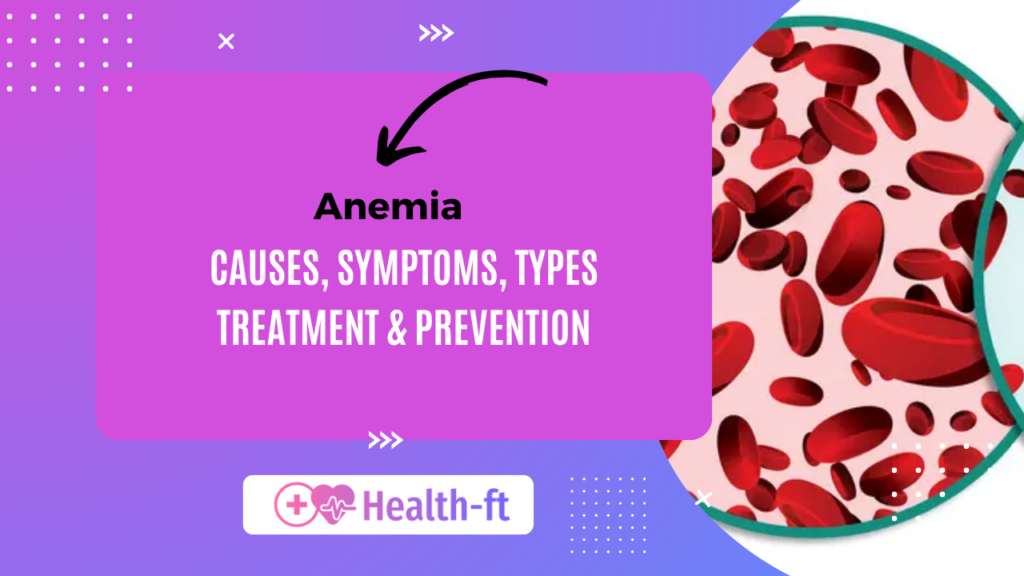
Anemia is a widespread health condition that affects millions of people globally. It occurs when the body does not have enough healthy red blood cells or hemoglobin to carry oxygen efficiently to tissues and organs.
Since oxygen is essential for energy production and proper functioning of the body, a deficiency can significantly impact overall health and daily activities.
Many people may have anemia without realizing it because symptoms often develop gradually and may be mistaken for general fatigue, stress, or lack of sleep.
However, if left untreated, anemia can lead to serious complications affecting the heart, brain, and overall quality of life.
According to the National Heart, Lung, and Blood Institute, anemia is one of the most common blood conditions worldwide. This anemia guide provides a comprehensive explanation of the condition, including its causes, symptoms, types, diagnosis methods, treatment options, diet recommendations, prevention strategies, and frequently asked questions.
The goal of this guide is to help you understand anemia in detail so you can take informed steps toward better health.
What Is Anemia?
Anemia is a medical condition in which the number of red blood cells (RBCs) or the level of hemoglobin in the blood is lower than normal.
Hemoglobin is a protein that binds oxygen in the lungs and transports it throughout the body.
When hemoglobin levels are low:
- The body receives insufficient oxygen
- Organs cannot function optimally
- Energy levels decrease
- Fatigue and weakness become common
Red blood cells are produced in the bone marrow and require nutrients such as iron, Vitamin B12, and folate. Any deficiency in these nutrients or disruption in production can lead to anemia.
Importance of Red Blood Cells and Hemoglobin
Red blood cells play a critical role in maintaining bodily functions:
- Transport oxygen from lungs to tissues
- Remove carbon dioxide from the body
- Support energy production
- Maintain organ efficiency
Hemoglobin ensures oxygen binds effectively and is delivered where needed. Without adequate hemoglobin, the body struggles to meet its oxygen demands.
Causes of Anemia
Anemia can occur due to several underlying causes, often categorized into three main mechanisms: decreased production, increased destruction, and blood loss.
1. Nutritional Deficiencies
A lack of essential nutrients is one of the most common causes of anemia, particularly vitamin B12 deficiency.
- Iron deficiency
- Vitamin B12 deficiency
- Folate deficiency
Iron is crucial for hemoglobin production, while Vitamin B12 and folate are necessary for red blood cell formation.
2. Blood Loss
Loss of blood reduces the number of red blood cells in circulation.
- Heavy menstrual bleeding
- Internal bleeding
- Injuries or trauma
- Gastrointestinal bleeding
- Surgical procedures
3. Chronic Diseases
Long-term illnesses can interfere with red blood cell production:
- Kidney disease
- Cancer
- Inflammatory disorders
- Autoimmune diseases
4. Genetic Disorders
Inherited conditions affect hemoglobin structure or production:
- Sickle cell anemia
- Thalassemia
5. Bone Marrow Disorders
Bone marrow is responsible for producing blood cells:
- Aplastic anemia
- Leukemia
- Myelodysplastic syndromes
Types of Anemia
Understanding different types helps in identifying the cause and selecting proper treatment.
Iron-Deficiency Anemia
The most common type caused by insufficient iron levels. It often results from poor diet or chronic blood loss.
Vitamin Deficiency Anemia
Caused by lack of Vitamin B12 or folate, leading to impaired red blood cell production.
Hemolytic Anemia
Occurs when red blood cells are destroyed faster than they are produced.
Aplastic Anemia
A rare condition where the bone marrow fails to produce sufficient blood cells.
Sickle Cell Anemia
A genetic disorder causing abnormal red blood cells that block blood flow and break down prematurely.
Thalassemia
An inherited blood disorder affecting hemoglobin production, leading to mild to severe anemia.
Symptoms of Anemia
Symptoms may vary depending on severity and type.
Common Symptoms
- Fatigue and weakness
- Pale or yellowish skin
- Shortness of breath
- Dizziness or lightheadedness
- Cold hands and feet
- Headaches
- Irregular heartbeat
- Difficulty concentrating
Severe Symptoms
- Chest pain
- Rapid heartbeat
- Fainting
- Extreme fatigue
Additional Signs
- Brittle nails
- Hair loss
- Cracked lips
- Restless legs syndrome
Risk Factors of Anemia
Certain groups are more vulnerable:
- Women (due to menstruation and pregnancy)
- Infants and children
- Elderly individuals
- People with chronic diseases
- Individuals with poor diets
- Vegetarians lacking supplementation
Diagnosis of Anemia
Doctors use several diagnostic tests to confirm anemia and identify its cause.
Complete Blood Count (CBC)
Measures hemoglobin levels, hematocrit, and red blood cell count.
Iron Studies
Evaluate iron levels and storage in the body.
Vitamin Tests
Check Vitamin B12 and folate levels.
Reticulocyte Count
Assesses bone marrow activity.
Bone Marrow Examination
Used in severe or unclear cases.
Treatment of Anemia
Treatment depends on the underlying cause.
Iron Supplements
Used for iron-deficiency anemia to restore iron levels.
Vitamin Supplements
- Vitamin B12 injections
- Oral folate supplements
Medications
Used to treat underlying diseases or infections.
Blood Transfusion
Required in severe cases for immediate improvement.
Surgery
If anemia is caused by internal bleeding.
Diet for Anemia
A balanced diet plays a vital role in managing anemia.
Iron-Rich Foods
- Spinach
- Red meat
- Lentils
- Beans
- Chickpeas
Vitamin C Foods
Vitamin C enhances iron absorption:
- Oranges
- Lemons
- Strawberries
- Tomatoes
Vitamin B12 Sources
- Eggs
- Dairy products
- Meat
- Fortified cereals
👉 Tip: Combine iron-rich foods with Vitamin C for better absorption.
Prevention of Anemia
Prevention strategies include:
- Eating a balanced and nutritious diet
- Including iron-rich and vitamin-rich foods
- Avoiding tea/coffee with meals
- Taking supplements if prescribed
- Regular health checkups
- Treating underlying conditions early
Complications of Anemia
If left untreated, anemia can lead to serious health issues:
- Heart problems (arrhythmia, heart failure)
- Chronic fatigue
- Pregnancy complications
- Developmental delays in children
- Reduced cognitive function
- Weak immune system
Anemia in Women
Women are more prone due to menstrual cycles and pregnancy, which can also contribute to broader hormonal imbalance:
- Menstrual blood loss
- Increased iron demand during pregnancy
Proper nutrition and regular screening are important for prevention and management.
Anemia in Children
Children require adequate nutrients for growth and development.
Symptoms in Children
- Fatigue
- Poor concentration
- Slow growth
- Weak immunity
Early diagnosis ensures proper development and health.
Lifestyle Tips for Managing Anemia
- Maintain a balanced diet
- Stay hydrated
- Exercise regularly
- Avoid skipping meals
- Follow medical advice
- Monitor symptoms
When to See a Doctor
Consult a healthcare professional if you experience:
- Persistent fatigue
- Shortness of breath
- Pale skin
- Frequent dizziness
- Irregular heartbeat
- Unexplained weakness
Conclusion
Anemia is a common but manageable condition that affects millions of people worldwide. With proper awareness, early diagnosis, and appropriate treatment, it can be effectively controlled.
Maintaining a balanced diet, following medical advice, and adopting a healthy lifestyle are key to preventing anemia and ensuring overall well-being.
Frequently Asked Questions
Anemia is a condition where the body lacks enough healthy red blood cells or hemoglobin to carry oxygen.
Common causes include iron deficiency, vitamin deficiencies, blood loss, chronic diseases, and genetic disorders.
Yes, most types of anemia can be treated with proper diet, supplements, and medical care.
Recovery depends on severity and may take weeks to months.
Iron-rich foods like spinach, lentils, meat, and vitamin C-rich fruits.
Mild anemia is manageable, but severe cases can cause complications.
Yes, especially if their diet lacks essential nutrients.
Yes, due to increased iron requirements.
Through blood tests such as CBC, iron studies, and vitamin tests.
Iron supplements combined with a proper diet and vitamin C intake.


Pingback: Vitamin B12 Deficiency: The Hidden Health Problem Nobody Talks About - Health-ft
Pingback: Celiac Disease Symptoms: Causes, Diagnosis & Treatment - Health-ft
Pingback: Type 1 Diabetes Life Expectancy: What You Need to Know - Health-ft