Vitamin B12 deficiency is a common yet often overlooked health condition that can significantly impact your physical and mental well-being. This essential nutrient plays a crucial role in red blood cell formation, DNA synthesis, and proper nerve function. When your body lacks sufficient vitamin B12, it can lead to serious complications, including anemia, neurological disorders, and fatigue.
In today’s fast-paced world, dietary habits, lifestyle choices, and underlying medical conditions contribute to the growing prevalence of vitamin B12 deficiency. Understanding the causes, symptoms, and treatment options is vital for maintaining optimal health.
This comprehensive guide will walk you through everything you need to know about vitamin B12 deficiency, helping you recognize early signs and take proactive steps toward prevention and recovery.
What is Vitamin B12 Deficiency?
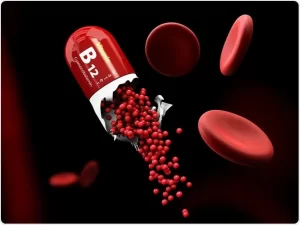
Vitamin B12 deficiency occurs when the body does not have enough vitamin B12 to function properly. Vitamin B12, also known as cobalamin, is a water-soluble vitamin that is essential for:
- Red blood cell production
- DNA synthesis
- Brain and nervous system health
- Energy metabolism
When the body lacks this vital nutrient, it can lead to a condition known as megaloblastic anemia, where red blood cells become abnormally large and inefficient.
Causes of Vitamin B12 Deficiency
Understanding the causes of vitamin B12 deficiency is crucial for both prevention and treatment. Several factors can contribute to low levels of this essential vitamin.
1. Poor Dietary Intake
One of the most common causes is insufficient intake of vitamin B12-rich foods. Since B12 is primarily found in animal products, individuals following strict vegetarian or vegan diets are at higher risk.
2. Malabsorption Issues
Even if your diet contains enough vitamin B12, your body may not absorb it properly due to:
- Digestive disorders (e.g., Crohn’s disease, celiac disease)
- Gastric surgery
- Reduced stomach acid production
3. Pernicious Anemia
This is an autoimmune condition where the body cannot produce intrinsic factor, a protein necessary for vitamin B12 absorption.
4. Medications
Certain medications can interfere with B12 absorption, including:
- Proton pump inhibitors
- Metformin
- Antacids
5. Age-Related Factors
Older adults are more prone to vitamin B12 deficiency due to decreased stomach acid and absorption efficiency.
Symptoms of Vitamin B12 Deficiency
The symptoms of vitamin B12 deficiency can vary widely and may develop slowly over time. Early detection is key to preventing serious complications.
Physical Symptoms
- Fatigue and weakness
- Pale or jaundiced skin
- Shortness of breath
- Dizziness
- Heart palpitations
Neurological Symptoms
- Numbness or tingling in hands and feet
- Difficulty walking
- Memory loss
- Confusion
- Depression
Gastrointestinal Symptoms
- Loss of appetite
- Weight loss
- Constipation or diarrhea
- Sore tongue
Severe Symptoms
If left untreated, vitamin B12 deficiency can lead to:
- Permanent nerve damage
- Infertility
- Severe anemia
- Cognitive decline
Risk Factors
Certain groups are more vulnerable to vitamin B12 deficiency:
- Vegetarians and vegans
- Older adults
- Pregnant and breastfeeding women
- Individuals with gastrointestinal disorders
- People who have undergone weight-loss surgery
https://www.webmd.com/diet/vitamin-b12-deficiency-symptoms-causes
Diagnosis of Vitamin B12 Deficiency
Diagnosing vitamin B12 deficiency involves a combination of clinical evaluation and laboratory tests.
Blood Tests
- Serum vitamin B12 levels
- Complete blood count (CBC)
- Methylmalonic acid (MMA) test
- Homocysteine levels
Additional Tests
In some cases, doctors may perform:
- Intrinsic factor antibody test
- Bone marrow examination (rare cases)
Early diagnosis is essential to prevent irreversible damage, especially to the nervous system.
Treatment of Vitamin B12 Deficiency
The treatment of vitamin B12 deficiency depends on the underlying cause and severity of the condition.
1. Dietary Changes
Incorporating B12-rich foods can help restore levels:
- Meat and poultry
- Fish and seafood
- Eggs
- Dairy products
- Fortified cereals
2. Supplements
Vitamin B12 supplements are available in various forms:
- Oral tablets
- Sublingual tablets
- Nasal sprays
3. Injections
For severe cases or malabsorption issues, vitamin B12 injections may be required. These are usually administered:
- Weekly (initial phase)
- Monthly (maintenance phase)
4. Treating Underlying Conditions
Addressing conditions like pernicious anemia or digestive disorders is crucial for long-term management.
https://health-ft.com/anemia-guide-causes-symptoms-treatment/
Foods Rich in Vitamin B12
Including vitamin B12-rich foods in your diet is one of the best ways to prevent deficiency.
Animal-Based Sources
- Liver and organ meats
- Fish (salmon, tuna)
- Chicken
- Eggs
- Milk and cheese
Plant-Based Options (Fortified Foods)
- Fortified plant-based milk
- Fortified cereals
- Nutritional yeast
Vitamin B12 Deficiency in Vegetarians and Vegans
Vegetarians and vegans are at a higher risk of vitamin B12 deficiency because plant-based diets lack natural B12 sources.
Prevention Tips
- Take regular B12 supplements
- Consume fortified foods
- Monitor B12 levels regularly
Complications of Vitamin B12 Deficiency
Untreated vitamin B12 deficiency can lead to serious and sometimes irreversible health problems. Since vitamin B12 is essential for nerve function, red blood cell production, and brain health, a prolonged deficiency can affect multiple systems in the body.
1. Neurological Damage
One of the most severe complications is damage to the nervous system. Vitamin B12 helps maintain the protective covering of nerves (myelin sheath). When levels drop, this protection weakens, leading to nerve damage.
Common effects include numbness, tingling in the hands and feet, difficulty walking, poor balance, and muscle weakness. If left untreated for a long time, this damage can become permanent and affect daily life.
2. Anemia
Vitamin B12 deficiency can cause megaloblastic anemia, a condition where red blood cells become abnormally large and cannot function properly. This leads to reduced oxygen supply throughout the body.
As a result, individuals may experience extreme fatigue, weakness, shortness of breath, dizziness, and pale or slightly yellow skin. This type of anemia can significantly lower energy levels and overall health.
3. Mental Health Issues
Low levels of vitamin B12 can have a strong impact on mental health. The vitamin is essential for proper brain function and neurotransmitter production.
People with deficiency may experience depression, anxiety, memory loss, confusion, and difficulty concentrating (often called brain fog). In severe cases, long-term deficiency may contribute to cognitive decline or dementia-like symptoms.
4. Cardiovascular Risks
Vitamin B12 helps regulate homocysteine levels in the blood. When B12 levels are low, homocysteine levels increase, which may raise the risk of heart disease.
This can lead to problems such as high blood pressure, damage to blood vessels, increased risk of stroke, and other cardiovascular complications.
5. Vision Problems
In some cases, vitamin B12 deficiency can damage the optic nerve, leading to blurred or disturbed vision. Although rare, this is a serious complication that requires immediate attention.
6. Infertility Issues
Vitamin B12 deficiency may affect reproductive health in both men and women. It can lead to temporary infertility, which often improves once B12 levels are restored.
7. Pregnancy Complications
During pregnancy, vitamin B12 deficiency can increase the risk of serious complications such as birth defects, low birth weight, and developmental delays in babies.
8. Weakened Immune System
Low levels of vitamin B12 may weaken the immune system, making the body more vulnerable to infections and illnesses.
9. Chronic Fatigue
Long-term deficiency can cause persistent tiredness and low energy levels, similar to chronic fatigue syndrome, affecting daily productivity and quality of life.
10. Irreversible Damage
The most serious risk is that some complications especially nerve damage—can become permanent if the deficiency is not treated early.
Prevention of Vitamin B12 Deficiency
Preventing vitamin B12 deficiency involves maintaining a balanced diet and regular health check-ups.
Key Prevention Strategies
- Eat a balanced diet rich in B12
- Take supplements if needed
- Monitor levels regularly
- Address digestive health issues
How Much Vitamin B12 Do You Need?
The recommended daily intake varies by age and life stage:
- Adults: 2.4 micrograms
- Pregnant women: 2.6 micrograms
- Breastfeeding women: 2.8 micrograms
Vitamin B12 Deficiency and Mental Health
Vitamin B12 plays a significant role in brain health. Low levels can affect mood, memory, and overall cognitive function.
Common Mental Health Effects
- Depression
- Anxiety
- Brain fog
- Memory impairment
Maintaining adequate B12 levels is essential for emotional and psychological well-being.
Vitamin B12 Deficiency in Pregnancy
Vitamin B12 deficiency during pregnancy can have serious consequences for both mother and baby.
Risks Includes
- Neural tube defects
- Low birth weight
- Developmental delays
Pregnant women should ensure adequate intake through diet and supplements.
When to See a Doctor
You should consult a healthcare professional if you experience:
- Persistent fatigue
- Numbness or tingling
- Memory problems
- Unexplained weakness
FAQs
1. What are the early signs of vitamin B12 deficiency?
Early signs include fatigue, कमजोरी (weakness), dizziness, and mild memory problems.
2. How long does it take to recover from vitamin B12 deficiency?
Recovery time varies but may take a few weeks to several months, depending on severity and treatment.
3. Can vitamin B12 deficiency be cured?
Yes, it can be effectively treated with dietary changes, supplements, or injections.
4. Is vitamin B12 deficiency serious?
If left untreated, it can lead to severe complications like nerve damage and anemia.
5. Which fruit is rich in vitamin B12?
Fruits do not naturally contain vitamin B12. Fortified foods or animal products are the best sources.
6. Can I take vitamin B12 daily?
Yes, vitamin B12 supplements are generally safe when taken within recommended doses.
7. Who is most at risk of vitamin B12 deficiency?
Vegans, older adults, and people with digestive disorders are at higher risk.
8. Does vitamin B12 deficiency cause weight loss?
Yes, it can lead to loss of appetite and unintentional weight loss.
9. What is the best treatment for vitamin B12 deficiency?
Treatment depends on the cause but often includes supplements or injections.
10. Can vitamin B12 deficiency affect sleep?
Yes, low B12 levels may contribute to sleep disturbances and fatigue.
Conclusion
Vitamin B12 deficiency is a serious but manageable condition that can affect multiple aspects of your health. From fatigue and anemia to neurological complications, the impact of low B12 levels should not be underestimated.
By understanding the causes, recognizing symptoms, and taking preventive measures, you can maintain optimal vitamin B12 levels and enjoy better overall health. Whether through dietary changes, supplements, or medical treatment, addressing vitamin B12 deficiency early is the key to a healthier life.